Source Natural Gas Operated Aodd Pump for Chemical, Food, and Paint Applications
Find reliable natural gas operated aodd pump solutions for industrial fluid transfer. Compare 29 available models featuring pneumatic diaphragm designs, stainless steel or aluminum alloy bodies, and certifications like CE and ISO9001. Evaluate flow rates, material options, and porting configurations to select the right equipment for your facility.
Key considerations
Products List


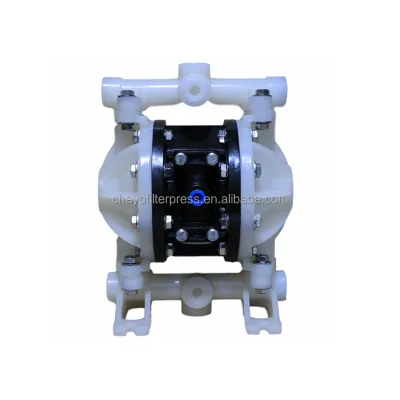


Comprehensive Sourcing Guide
Natural Gas Operated Aodd Pump Sourcing Guide
Procuring an air-operated double diaphragm (AODD) pump for natural gas applications requires careful alignment between the fluid dynamics of the gas and the mechanical design of the pump. While the supplied data highlights specific models like the DJG0501A05TNX and DJS02-30, buyers must verify that the pneumatic power source is compatible with the specific pressure requirements of natural gas handling. The observed product attributes indicate a focus on no-lube and no-stall designs, which are critical for maintaining consistent flow in gas service without introducing lubricants that could contaminate the process stream.
Buyers should also scrutinize the material composition, as the listings show options in both aluminum alloy and stainless steel. The choice between these materials depends heavily on the corrosiveness of the gas mixture and the operating environment. For instance, stainless steel variants are often preferred for chemical or food processing applications involving natural gas, whereas aluminum alloy might suffice for less aggressive environments. Understanding these material distinctions is the first step in selecting a pump that ensures longevity and safety in natural gas operations.
Product Scope and Observed Listing Signals
The market listings reveal a diverse range of AODD pumps with varying porting options, including NPT, BSPT, and flange connections, which must match existing pipeline infrastructure. The observed size specifications span from 1/4" to 3", allowing for flexibility in both low-volume metering and high-volume transfer operations. When sourcing for natural gas, the specific porting configuration is a primary decision point, as mismatched fittings can lead to significant pressure drops or safety hazards during operation. Buyers must cross-reference their system's inlet and outlet requirements against these available standard sizes before finalizing a purchase.
Performance attributes such as "No Leak" and "Explosion" resistance are explicitly noted in the product data, signaling that these units are engineered for hazardous environments. The inclusion of muffler options, both standard and metal, further suggests that noise control is a consideration for facilities operating near personnel or sensitive equipment. However, buyers should treat these performance claims as observations of specific listed models rather than universal guarantees for all AODD pumps. Verifying that the specific unit selected meets the explosion-proof requirements for the intended natural gas application is essential for operational safety.
Technical Specifications to Verify
Technical verification must begin with the flow rate and suction lift capabilities, as the data indicates models capable of handling up to 905 liters per minute with suction lifts reaching 8.9 meters in wet conditions. These figures are critical for determining if the pump can overcome the static head and friction losses inherent in natural gas piping systems. Buyers should calculate the required flow rate based on their specific process needs and ensure the selected model, such as the DLM8-AA-AA-ZWS, exceeds these requirements to prevent operational bottlenecks or premature wear.
The maximum size of solids the pump can handle is another vital specification, with observed values ranging from 4.7mm to 9.4mm depending on the model. While natural gas is typically a clean fluid, the presence of condensates or particulate matter in the supply line necessitates a pump with adequate solids handling capacity. Additionally, the diaphragm material, identified as Poly Ethylene Forty-Six or Nitrile Rubber in the listings, must be compatible with the chemical properties of the gas and any associated liquids. Selecting the correct diaphragm material ensures the pump maintains its integrity under the specific chemical stresses of the application.
Compliance and Safety Documentation
Safety compliance is paramount when dealing with natural gas, and the product listings confirm the presence of CE and ISO9001 certifications for various models. These certifications indicate that the manufacturing processes and product designs adhere to recognized international standards for quality and safety. Buyers must request and verify the specific certification documents for the exact model they intend to purchase, as the presence of a certification on a general listing does not guarantee that every unit in a batch meets the same rigorous standards. Ensuring the documentation is current and applicable to the specific region of operation is a non-negotiable step in the procurement process.
In addition to general certifications, the data mentions specific attributes like "No-Lube" and "No-Stall" designs, which are crucial for preventing ignition sources in explosive atmospheres. Buyers should verify that the pump's electrical and pneumatic components are rated for the specific hazard class of the natural gas environment. The warranty period, noted as one year in some listings, provides a baseline for manufacturer confidence but should be supplemented by a review of the supplier's safety testing protocols. Understanding the full scope of safety documentation ensures that the pump will operate reliably without posing a risk to personnel or facility infrastructure.
Cost Drivers and Commercial Terms
The observed price range of 2 to 5000 USD reflects significant variability based on material, size, and specific performance features. Aluminum alloy models generally present a lower cost entry point compared to stainless steel variants, which are priced higher due to their superior corrosion resistance and durability. Buyers must balance the initial capital expenditure against the total cost of ownership, considering that a more expensive pump with a longer lifespan and lower maintenance needs may offer better value over time. The wide price spread underscores the importance of defining precise technical requirements before soliciting quotes to avoid overpaying for unnecessary features.
Commercial terms such as Minimum Order Quantity (MOQ) and packaging methods also influence the overall cost structure. The data shows MOQs ranging from 1 to 10,000 units, with packaging options including cartons, wooden cases, and crates. For smaller procurement needs, buyers should negotiate flexible MOQ terms to avoid excessive inventory costs. Furthermore, the choice of packaging, such as wooden crates for heavy-duty models, adds to the shipping weight and cost. Understanding these commercial variables allows buyers to structure a procurement strategy that aligns with their budget constraints and logistical capabilities.
Supplier Qualification and Quality Control
Supplier qualification should focus on verifying the origin and manufacturing standards, as the listings indicate production in China and Jiangsu. Buyers must assess the supplier's track record in producing pumps for hazardous environments and their ability to provide consistent quality control. The presence of ISO9001 certification is a positive indicator, but it should be validated through third-party audits or recent customer references. Ensuring that the supplier has a robust quality management system in place is essential for mitigating the risks associated with sourcing industrial equipment from international markets.
Quality control extends to the specific components of the pump, such as the diaphragm and valve body. The data highlights specific materials like Nitrile Rubber and Poly Ethylene Forty-Six, which must be sourced from reputable suppliers to ensure performance consistency. Buyers should request material test reports and inspection certificates for the specific batch of pumps they are purchasing. Implementing a rigorous incoming inspection protocol upon delivery helps catch any deviations from the agreed specifications before the equipment is installed, protecting the buyer from potential operational failures and safety incidents.
Long-Term Procurement Checks
Long-term procurement success relies on establishing a clear maintenance and support framework with the supplier. The observed net weights and dimensions, such as 35kg and 55kg for different models, are critical for planning installation and future maintenance access. Buyers should verify the availability of spare parts, particularly diaphragms and seals, which are consumable items subject to wear. Ensuring a reliable supply chain for these components prevents downtime and extends the operational life of the pump in continuous natural gas service applications.
Finally, buyers must monitor the performance of the pump over time to validate the initial selection and supplier claims. Tracking metrics such as flow rate consistency, leak frequency, and suction lift performance provides data to assess whether the pump continues to meet the process requirements. Regular reviews of the pump's condition against the original specifications help identify any degradation in performance that may indicate a need for replacement or adjustment. This proactive approach to asset management ensures that the procurement investment delivers sustained value and operational reliability for years to come.
FAQs
What certifications do these pumps hold?
These pumps hold CE and ISO9001 certifications. This ensures compliance with international safety and quality management standards. Buyers can rely on these credentials for regulatory approval in various industrial sectors. The documentation supports traceability and consistent manufacturing processes across different production batches.
Which materials are used for the valve body?
The valve body is constructed from Aluminum Alloy or Stainless Steel. Aluminum Alloy offers lightweight durability, while Stainless Steel provides enhanced corrosion resistance. These material choices allow the pump to handle diverse chemical environments effectively. Selecting the right material ensures long-term operational reliability and structural integrity.
Can the pump handle solid particles in the fluid?
Yes, the pump can handle solid particles up to 4.7mm or 9.4mm depending on the model. This capability makes it suitable for slurries and viscous fluids. The diaphragm design prevents clogging and ensures continuous flow. This feature is critical for applications involving waste treatment or abrasive chemical processing.
What is the maximum flow rate available?
The maximum flow rate reaches up to 905 liters per minute. This high capacity supports demanding industrial applications requiring rapid fluid transfer. The pneumatic drive ensures consistent performance under varying pressure conditions. Buyers can select models based on specific throughput requirements for their production lines.
Are customization options available for these pumps?
Customization is available to meet specific operational needs. Buyers can request modifications to porting options, muffler types, or diaphragm materials. This flexibility allows the pump to integrate seamlessly into existing systems. Tailored solutions enhance efficiency and reduce downtime in specialized chemical or food processing environments.
How is the product packed for shipping?
The product is packed in cartons, pallets, wooden crates, or wooden cases. This robust packaging protects the pump during transit. Proper packing ensures the equipment arrives in pristine condition. Buyers can choose packaging options that suit their logistics requirements and minimize the risk of damage during international shipping.